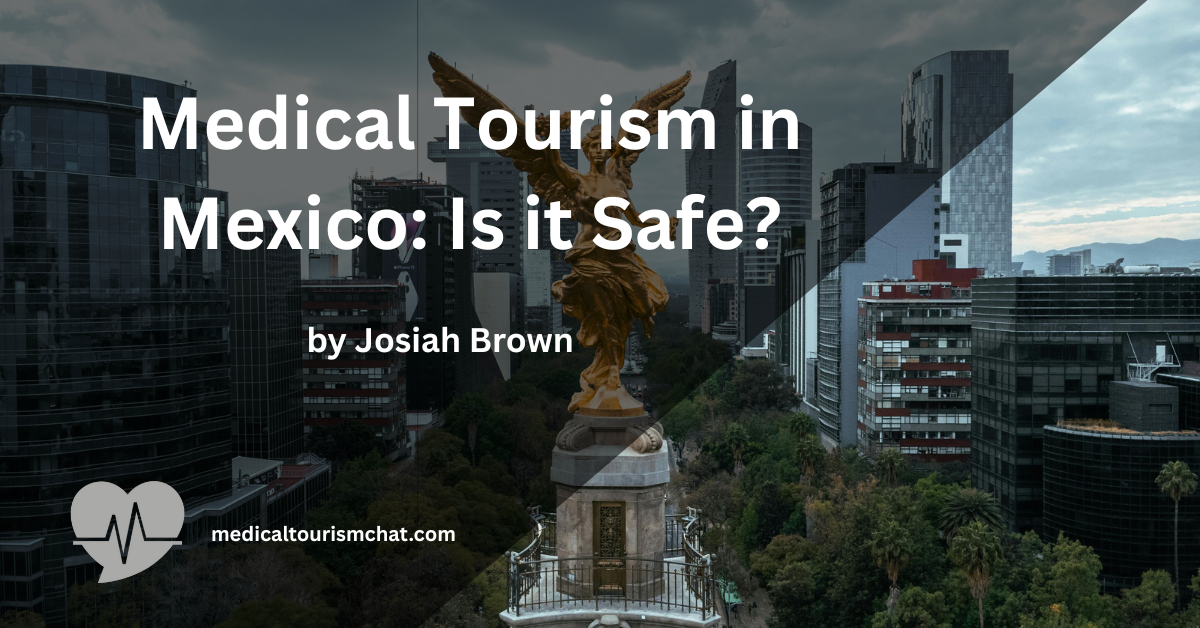
Traveling to another country for surgery is a major decision. Lower costs are attractive, but news headlines about Mexico can be alarming. It is completely normal to worry about your safety. You want to improve your health, not put it at risk.
The reality is that thousands of patients travel to Mexico every year for procedures without incident. Whether you fly into a resort city or drive across the border, preparation is the key to a safe trip. This guide is designed to help you understand how safe medical tourism in Mexico can be and what you can do to reduce risk.
Is Mexico Safe for Medical Tourism?
Mexico is generally safe for medical tourism when you choose reputable providers and stay in established medical zones. Most patients have a smooth experience because they prioritize quality and follow basic safety guidelines.
Safety is not just about crime. Medical safety matters just as much. You need to know that the facility is clean, the equipment is modern, and the surgeon is properly trained.
The government in Mexico understands that visitors are vital to the economy and invests heavily in protecting key tourist and medical zones. You often see more visible security in these districts than in other parts of the country.
Saying a place is safe does not mean it is risk free. No destination can promise that. Your safety level depends heavily on the specific choices you make.
Clinical Quality vs. Physical Safety
To fully understand risk, it helps to separate safety into two categories: clinical quality and physical safety around the hospital.
Clinical Quality
Mexico has world class hospitals that rival those in the United States. Some facilities hold Joint Commission International accreditation, but that certification is expensive and therefore rare.
Instead, focus on Mexican regulatory bodies that matter:
- Consejo de Salubridad General (CSG): the federal equivalent of the US Joint Commission. This certification shows that the hospital meets strict standards for hygiene and patient care.
- CMCPER: a key board certification for plastic surgeons.
- CMCOEM: a standard board certification for bariatric and weight loss surgeons.
- COFEPRIS: the license for the facility itself, confirming that it is legal and inspected to operate.
There are also poorly regulated clinics that cut corners. To stay safe, verify that your surgeon is board certified and that the hospital or clinic holds real, country specific accreditations.
Verifying credentials on your own can be hard because of language barriers and unfamiliar acronyms. A medical tourism facilitator can help by handling this vetting work for you so that you book only with top tier providers.
Physical Safety
Most violence you see in news reports is related to cartel activity and usually happens between rival groups. It rarely targets tourists or patients directly.
Criminal organizations tend to avoid the international attention that comes from harming foreign visitors. If you stay within designated tourist zones and medical districts, you dramatically reduce your exposure to this type of crime.
Safety Varies by City and Region
Mexico is a large and diverse country. Treating it as a single place leads to confusion. Safety varies widely depending on the specific city and neighborhood.
Just like in the United States, there are safe areas and higher risk areas. Here is a quick overview of some major medical hubs.
Tijuana
This border city is extremely popular for weight loss surgery. Thousands of patients cross here every year. One major advantage is the medical business pass.
This special pass, issued by doctors and clinics, allows you to use a faster lane at the border when driving back into the United States. It can turn a three hour wait into a twenty minute crossing.
You should still avoid wandering into non tourist neighborhoods. Stick to the area around your clinic and hotel. Many hospitals in Tijuana include door to door transport in their packages, which adds another layer of safety.
Cancun and the Riviera Maya
The Riviera Maya, including Cancun, Playa del Carmen, and Tulum, is a major tourist region. Security is high, and English is widely spoken. It is a very popular destination for dental care and cosmetic procedures.
Because the local economy relies heavily on tourism, authorities work hard to keep these zones secure. For many travelers, the experience feels similar to a traditional vacation.
Mexico City
As the capital, Mexico City is a large, cosmopolitan area with some of the best hospitals in Latin America. You can think of it similarly to visiting New York or Los Angeles.
There are upscale, safe neighborhoods and others that visitors should avoid. During the day, the main medical districts offer safety levels similar to other large cities around the world.
Hotel vs. Airbnb: Where Should You Stay?
Your choice of accommodation has a big impact on safety. When you travel for surgery, where you recover is just as important as where you receive your procedure.
It is generally safer for medical travelers to stay in hotels or dedicated recovery houses rather than vacation rentals.
In hubs such as Tijuana and Guadalajara, recovery houses are common. These facilities are staffed by nurses and provide meals, transportation, and basic medical oversight after you leave the hospital. They act as a safe bridge between the hospital and your flight home.
Hotels are also a good option. They provide 24 hour reception, security staff, and clear protocols for emergencies. If there is a power outage or an issue in your room, staff can respond quickly.
Vacation rentals, on the other hand, rarely offer this level of support. They are often in residential areas and do not provide 24 hour help. That can leave you feeling isolated if a complication happens.
Practical Safety Tips for Mexico
Most safety issues can be avoided by following a few common sense rules:
- Use official transportation: Use rideshare apps or official hospital shuttles instead of unregistered taxis on the street.
- Keep a low profile: Avoid flashy jewelry, expensive watches, and large amounts of cash. Blend in rather than standing out.
- Share your plans: Give a trusted friend or family member back home your itinerary, including where you are staying and when your appointments are.
- Drink bottled water: To avoid stomach issues, stick to sealed bottled water during your stay and recovery.
- Avoid walking at night: Especially if you are on pain medication, stay in your hotel or recovery house after dark instead of going out alone.
These steps are simple but powerful. They allow you to control more of your environment and reduce avoidable risks.
Plan Your Medical Trip to Mexico
So, is medical tourism in Mexico safe? For most patients the answer is yes, when they plan carefully and choose accredited providers. Mexico offers high quality, affordable care if you stay informed and make thoughtful choices about your doctors, clinics, and neighborhoods.
You do not have to figure this out alone. You do not need to guess which clinics are safe or which hotels are best for recovery.
Chat with our free AI travel planner to find vetted providers in Mexico, compare options, and get answers to your specific safety questions before you book.
Josiah Brown
Medical Tourism Researcher & Safety AuditorAs a medical tourism researcher, Josiah bypasses marketing fluff to uncover the reality of cross-border care. He has visited over 30 countries and maintains direct contact with clinic staff globally to verify safety standards. A patient who has navigated foreign healthcare systems personally, Josiah provides practical, vetted guidance for those seeking affordable, high-quality treatment abroad.